Discover how hyperbaric chamber therapy can accelerate wound healing and improve overall patient outcomes.
How Hyperbaric Oxygen Therapy Promotes Wound Healing
Hyperbaric Oxygen Therapy (HBOT) works by increasing the amount of oxygen your blood can carry. Under high pressure, oxygen dissolves more effectively into the body's fluids, including plasma, lymph, and cerebrospinal fluid. This enhanced oxygen delivery accelerates the body's natural healing processes and helps fight off infections.
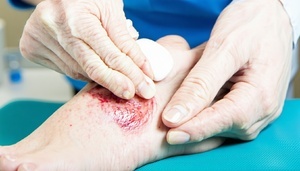
Specifically, for wound healing, HBOT stimulates the growth of new blood vessels, enhances the effectiveness of white blood cells in fighting infection, and reduces inflammation and swelling. This therapy is particularly effective for patients with chronic wounds, such as diabetic ulcers, where traditional methods have failed.
Common Conditions Treated with Hyperbaric Chamber Therapy
Hyperbaric chamber therapy is not limited to wound healing; it is also used to treat a variety of medical conditions. These include diabetic foot ulcers, radiation injuries, decompression sickness, and certain types of infections like necrotizing fasciitis. Additionally, HBOT is beneficial for patients suffering from carbon monoxide poisoning, crush injuries, and skin grafts or flaps that are at risk of failing.
The therapy is also being studied for its potential benefits in treating traumatic brain injuries, post-stroke recovery, and even certain neurological conditions. The broad applicability of HBOT makes it a versatile treatment option in the medical field.
How to Access Hyperbaric Chamber Therapy
Accessing hyperbaric chamber therapy typically begins with a consultation from a healthcare provider who specializes in wound care or hyperbaric medicine. They will assess your specific medical condition and determine if HBOT is a suitable treatment option for you.
Once deemed appropriate, you will be referred to a facility equipped with hyperbaric chambers. These facilities are often part of hospitals or specialized clinics. It's essential to follow all pre-treatment guidelines provided by your healthcare team, such as avoiding certain medications or foods before undergoing therapy.